
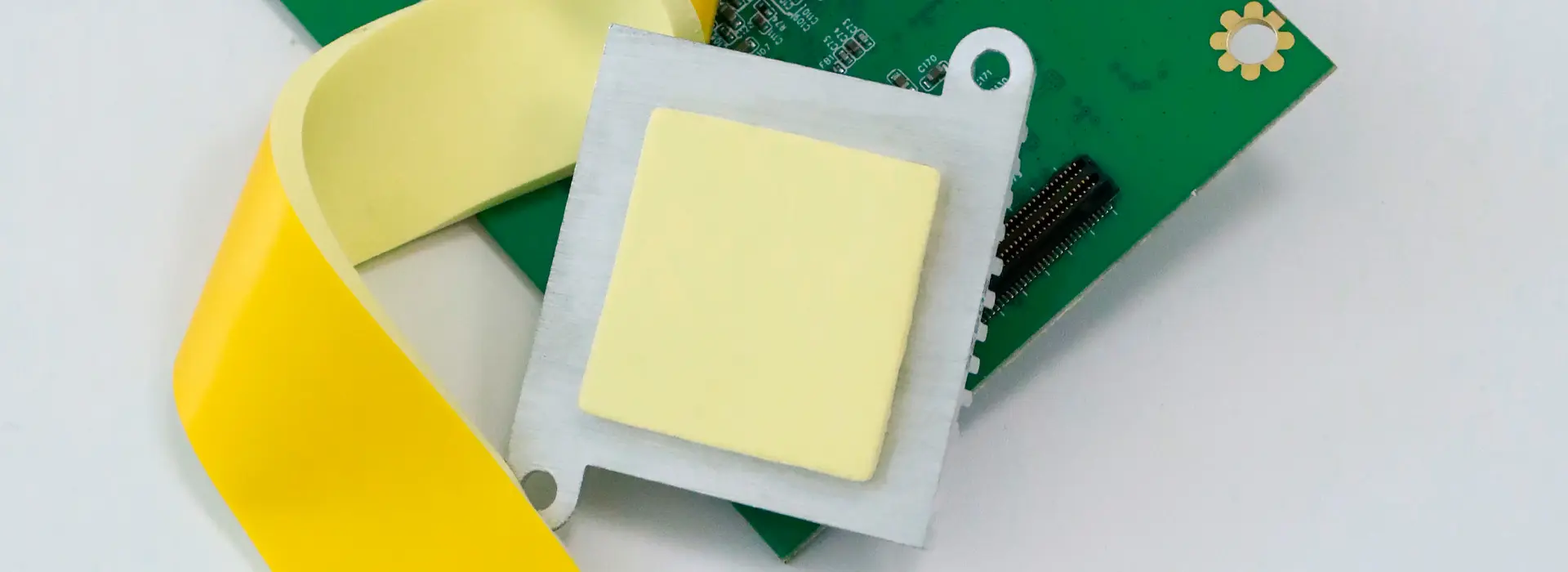
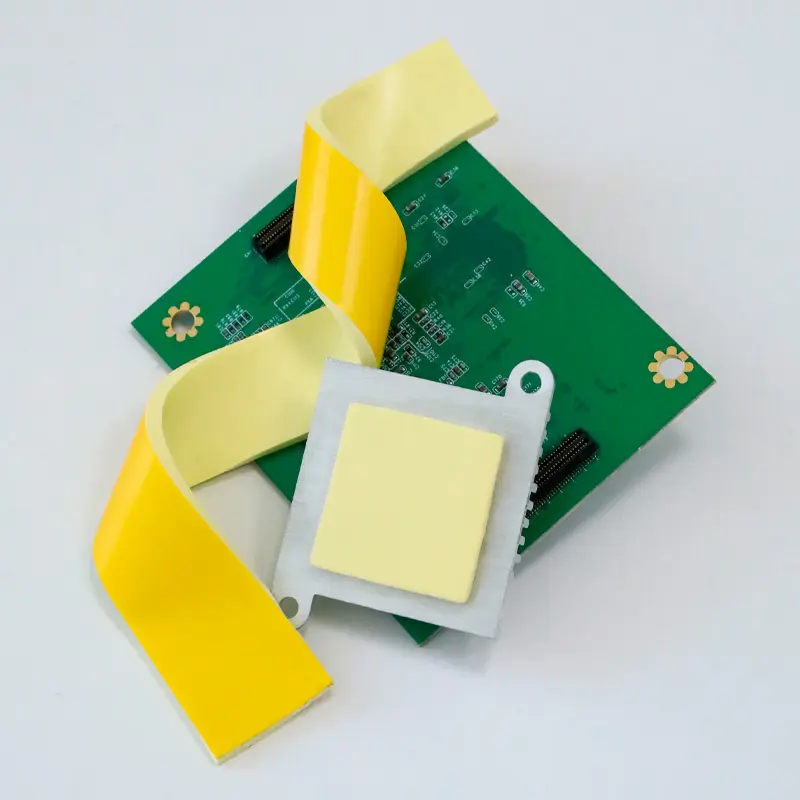
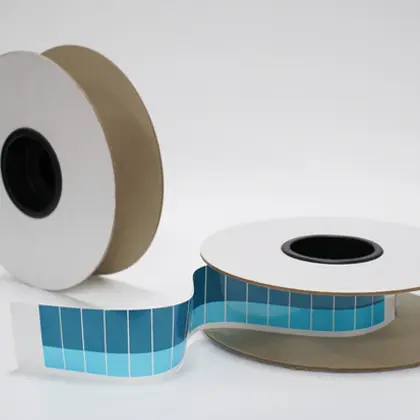
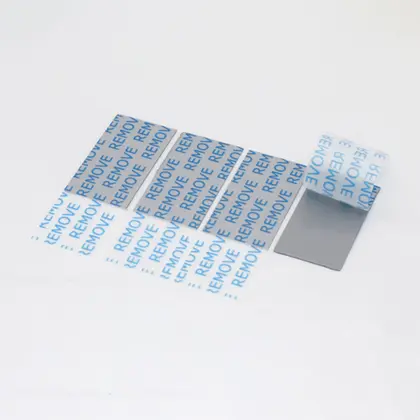
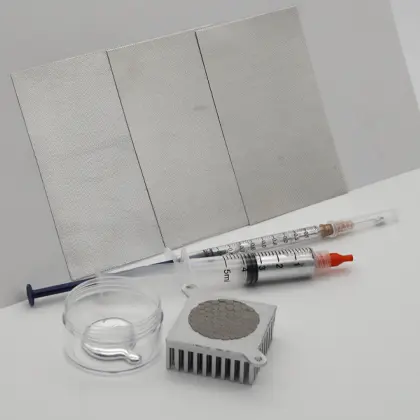
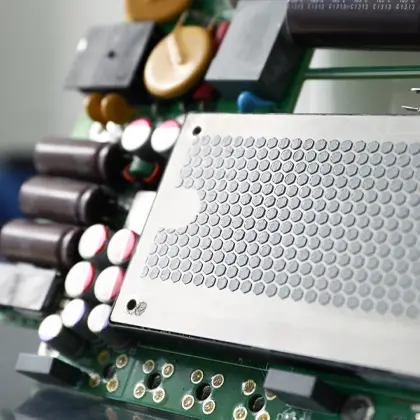
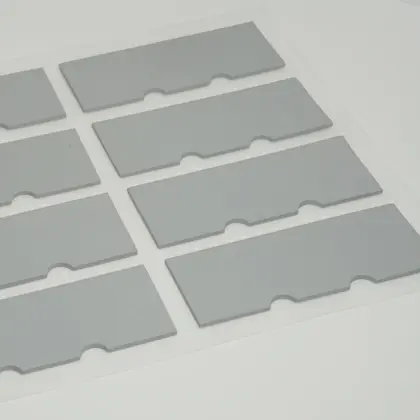
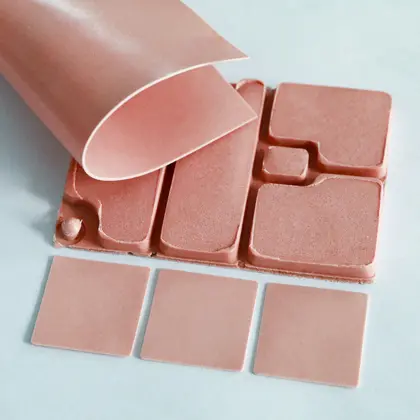
Techinno Fill-Pad Insulation Series thermally conductive pad products have a series of advantages such as thin thickness, high thermal conductivity, low thermal resistance, high insulation, wear resistance, tear resistance, puncture resistance, etc., which can fully meet the needs of related applications in the automotive field such as PTC.
Insulation Series
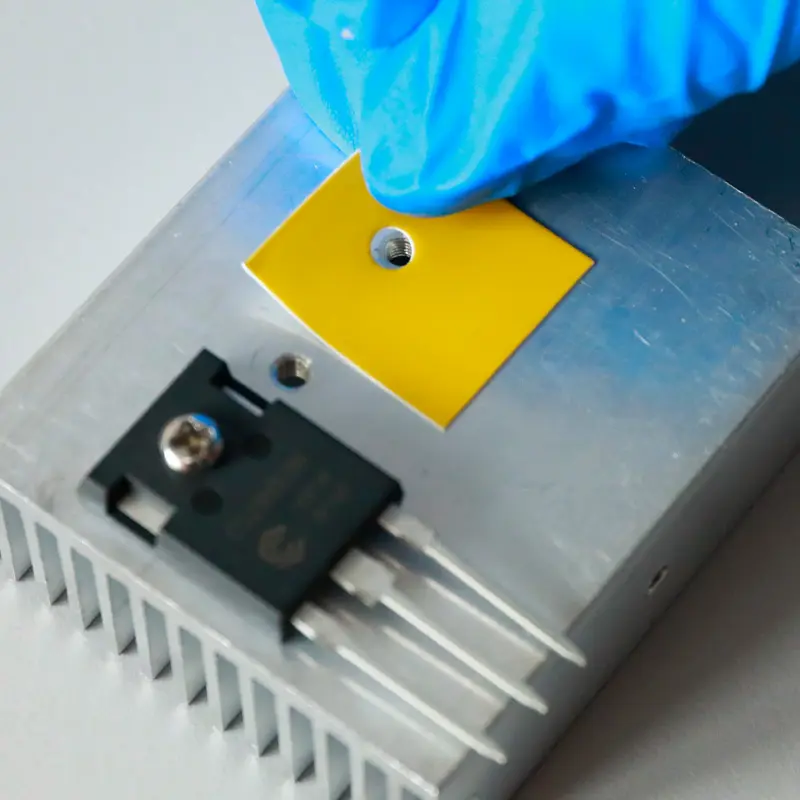
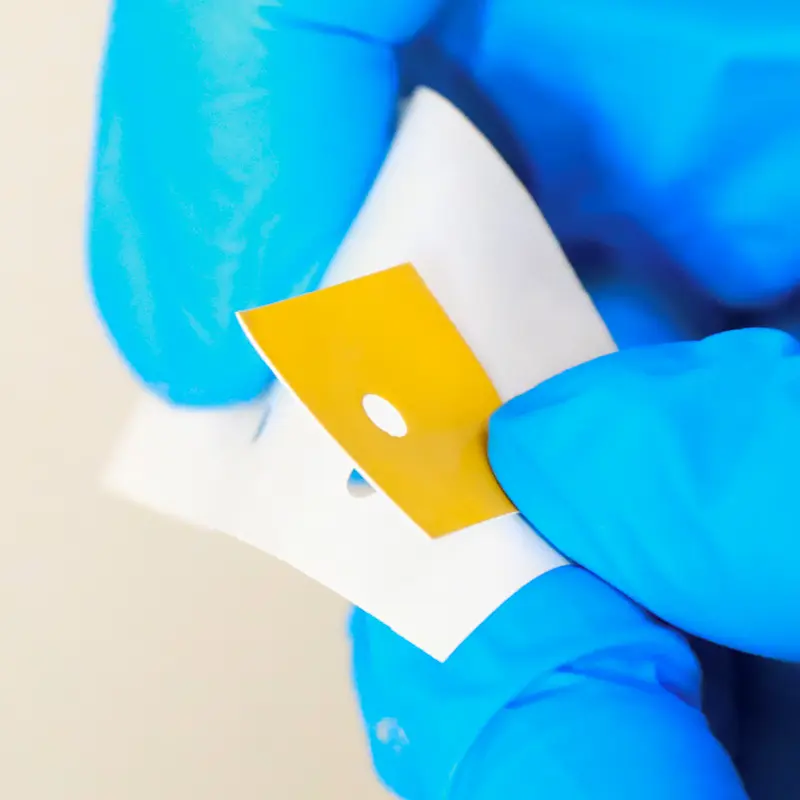
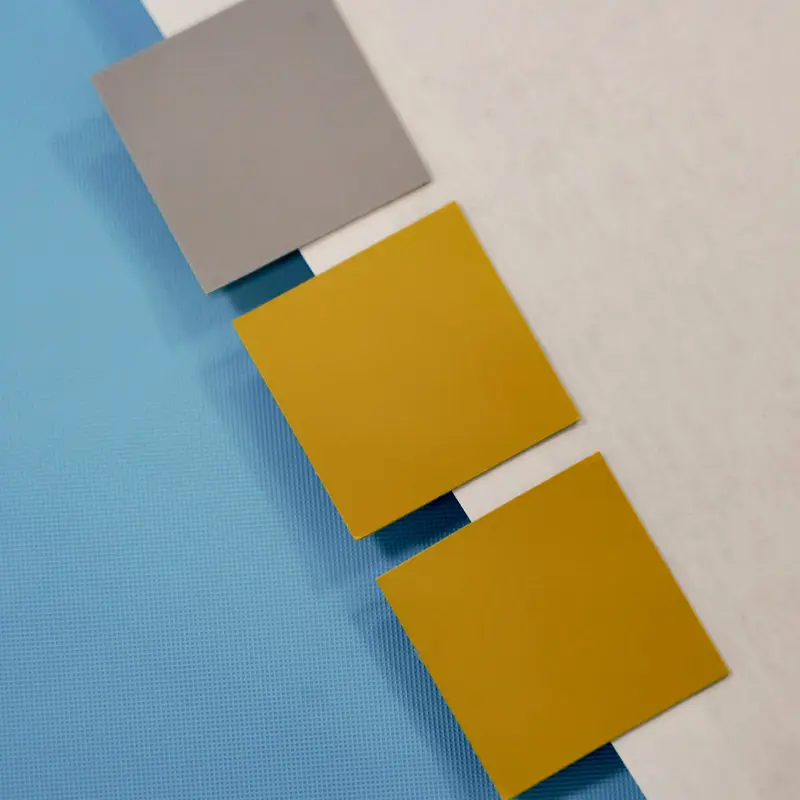
Typical Applications
-
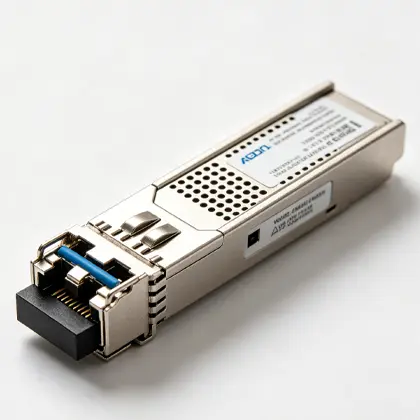 Telecommunications, Wireless Infrastructure, Optical Modules
 -
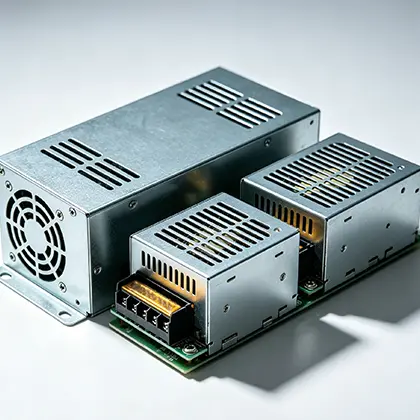 Power Conversion, Power Modules
 -
 LCD, PDP and laser TV displays
 -
 Intelligent Terminal Equipment
 -
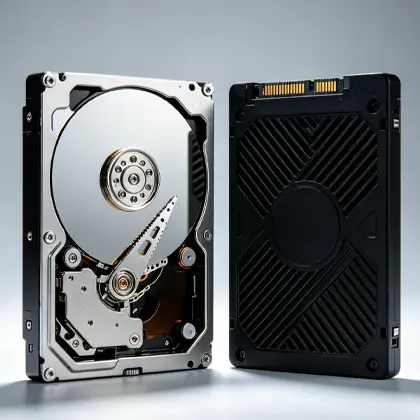 Hard Disk Drives and Solid Hard Disk Memory Devices
 -
 Automotive Electronics
Specifications

Related Product

FAQ
Main Application Scenarios
Battery module and cooling plate heat dissipation Electronics
Balances high thermal conductivity and excellent electrical insulation. Isolate batteries from cooling plates while transferring heat rapidly, effectively avoiding short circuit risks.
2. Battery pack Equipment
Insulate internal battery cells, busbars and metal structural parts inside battery packs. Block electric breakdown while realizing integral heat homogenization for battery systems.
Automotive electronics equipment Electronics
Meet automotive insulation safety standards. Provide reliable electrical isolation and efficient heat dissipation for on-board controllers, inverters and charging equipment.
4.Power supply and power conversion equipment Equipment
Insulate high-voltage power chips, transformers and heat sinks. Prevent leakage current and electric creepage under high voltage operating environment.
5. Automotive PTC Equipment
Perfectly fit gaps of vehicle PTC heating components. Deliver stable insulation performance between heating cores and metal shells while conducting heat evenly.
To ensure that Thermally Conductive Pads (Insulation Series) maintains stable thermal conductivity and workability within its shelf life, please follow the storage requirements below:
Environmental conditions
① Temperature: 0 °C to 35 °C
② Relative humidity: ≤ 65 % RH
③ Avoid direct sunlight, high temperature, high humidity, or corrosive gas environments.
Shelf life
12 months from the date of packaging. After the shelf life has expired, it is recommended to first verify the thermal performance before further use; only continue use if the product passes verification.
Before use, inspect the thermally conductive pad for any signs of damage, scratches, bubbles, deformation, contamination, hardening, oil bleed, or cracking. If any are found, please discard it immediately and replace it with a new one.
Before use, inspect the thermally conductive pad for any signs of damage, scratches, bubbles, deformation, contamination, hardening, oil bleed, or cracking. If any are found, please discard it immediately and replace it with a new one.
·Thickness Tolerance: >1mm, ±10%; 0.5-1mm, ±0.1mm
·The thickness can be customized according to requirement.Please inquire the available thickness before ordering
·Customsized configurations and/or cut parts are available with dimensions less than 457*457mm
·Versions A1(Single-Sided Tackification) or NT1(Single-Sided Detackification) can be supplied according to customer’s requirements
For more ordering information (such as minimum order quantity, lead time, sample requests, etc.), please contact our sales or technical support team.
① Do not eat
② Store away from children
③ Store away from combustion source
④ Please use in reference to MSDS
⑤ Keep the application interface clean

