
Automotive
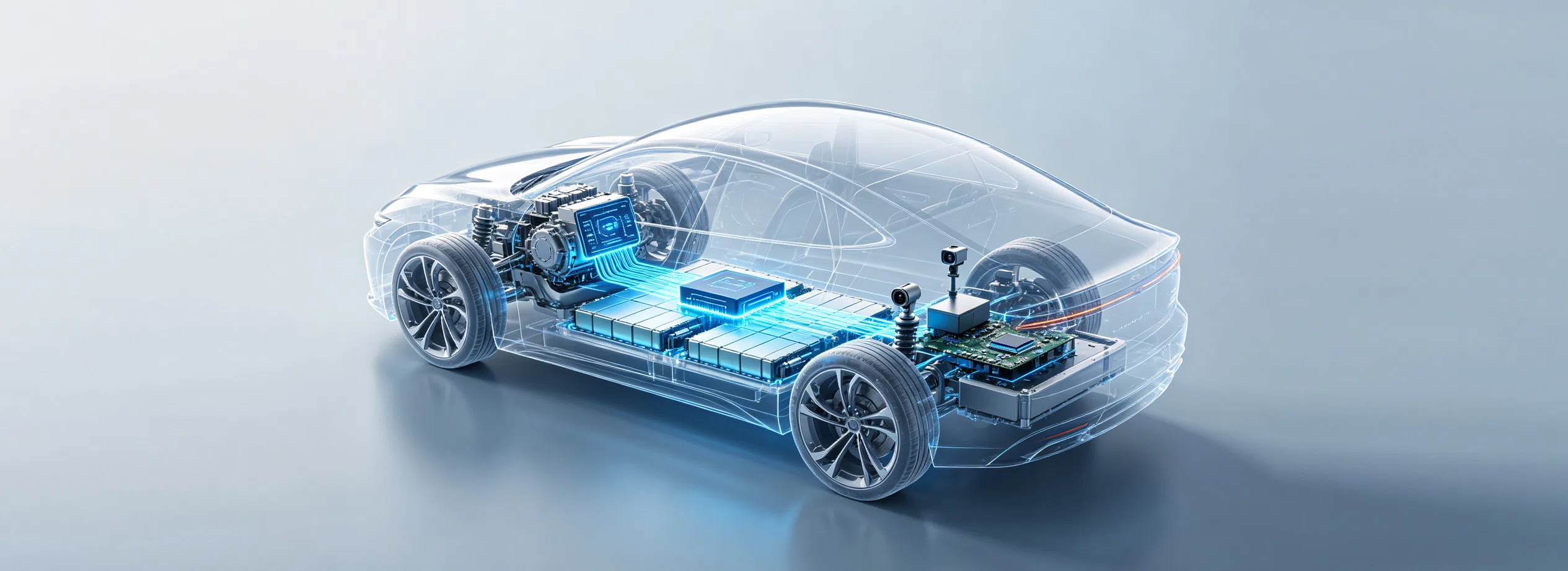
Compared with traditional fuel vehicles, new energy vehicles apply more sophisticated thermal management systems. Beyond traditional automotive air-conditioning systems, they face additional cooling demands for batteries and motors, covering thermal management for battery packs, motors, electronic control units and vehicle air conditioning. In the foreseeable future, automobiles will no longer only serve as means of transportation, but will become an indispensable component of smart cities. Data communication and intelligent control terminals continuously elevate vehicle safety, comfort, efficiency and in-vehicle entertainment experience.
29/07/2026
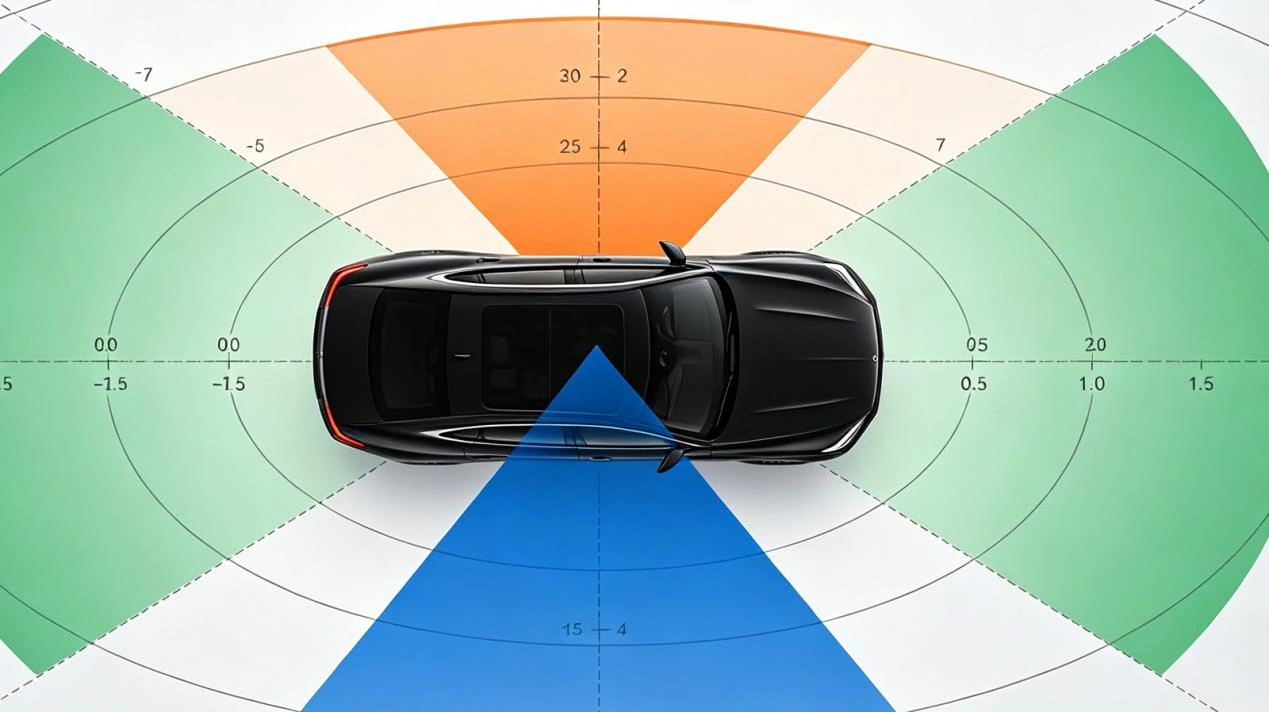
ADAS miniaturized millimeter-wave and blind-spot radars produce heavy chip heat, disrupting detection precision. Regular silicone produces volatiles which are easy to contaminate RF circuits. And vehicle vibration & temperature swings damage chips. The industry demands thermal materials with low outgassing and high automotive reliability.
29/07/2026
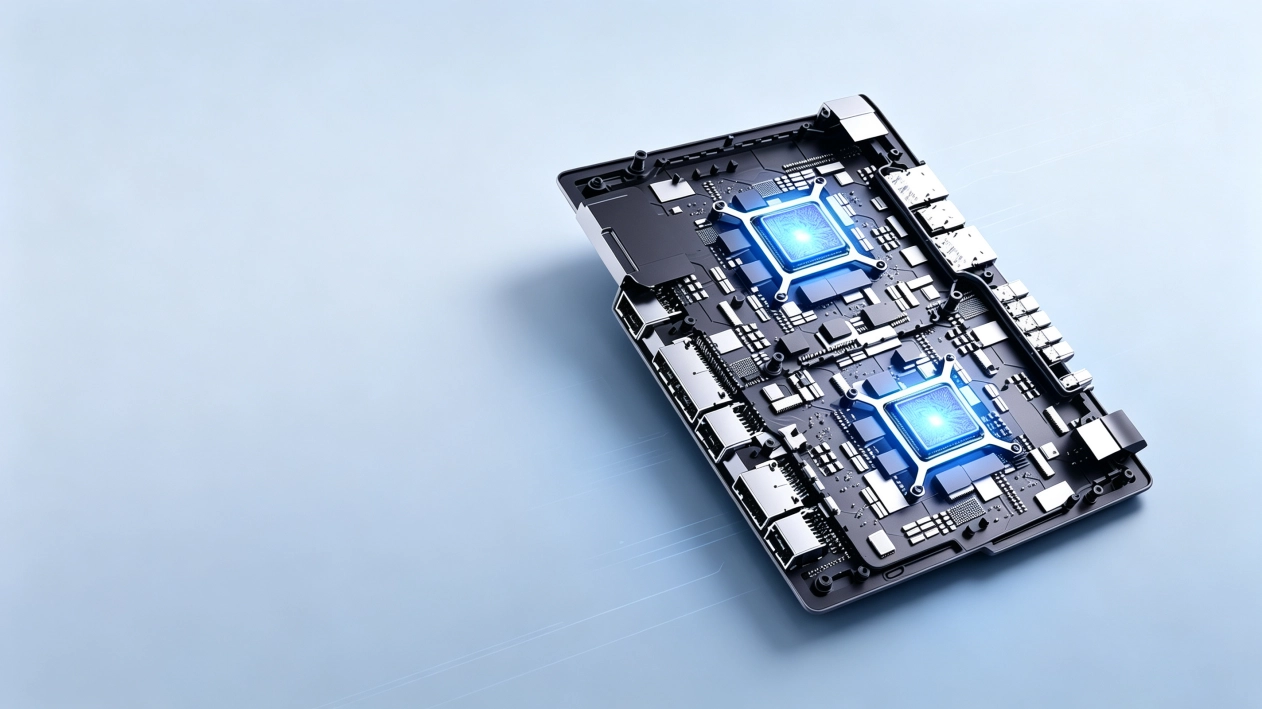
Advanced autonomous driving pushes domain controllers to higher power, causing severe heat accumulation inside sealed housings that exceeds the traditional cooling capacity. High-performance thermal materials and solutions are required to stabilize chip temperatures and guarantee reliable operation of smart cockpit and driving systems in all road conditions.
Product Recommendations

